
Future Plans of Top Automotive Manufacturers
In the dynamic and fast-paced world of transportation innovation, leading carmakers are recalibrating their trajectories to align with new consumer behaviors, sustainability targets, and geopolitical demands. These automotive manufacturers plans reflect a potent combination of risk-taking, long-term investment, and adaptive agility. With tectonic shifts shaking up the industry—from electrification to AI-assisted production—strategic planning is no longer optional. It is the cornerstone of survival.
Electrification and Emissions Goals
One of the most prominent automotive manufacturers plans revolves around full-scale electrification. Companies such as Ford, General Motors, Volkswagen, and Hyundai are setting aggressive timelines to phase out internal combustion engines. GM, for example, has pledged to produce only electric vehicles by 2035. Meanwhile, Volvo aims to become a fully electric brand by 2030. This seismic transformation isn’t just about satisfying green mandates. It’s a calculated effort to secure early dominance in the EV market and redefine brand identity for the next generation.
EV production requires a wholesale overhaul of manufacturing architecture. Legacy assembly lines must adapt to lithium-ion battery installation, while software engineering teams are being expanded to support smarter, connected vehicles. Automotive manufacturers plans now heavily factor in the acquisition of raw materials like cobalt and nickel, essential for battery construction, often leading to global mining partnerships or even vertical integration strategies.
AI and Autonomous Integration
Another bold direction involves the integration of artificial intelligence into both manufacturing processes and the driving experience. BMW and Tesla are incorporating advanced machine learning into driver assistance systems. Meanwhile, Toyota is investing billions into mobility research through its Woven Planet division, exploring everything from smart cities to autonomous vehicle ecosystems.
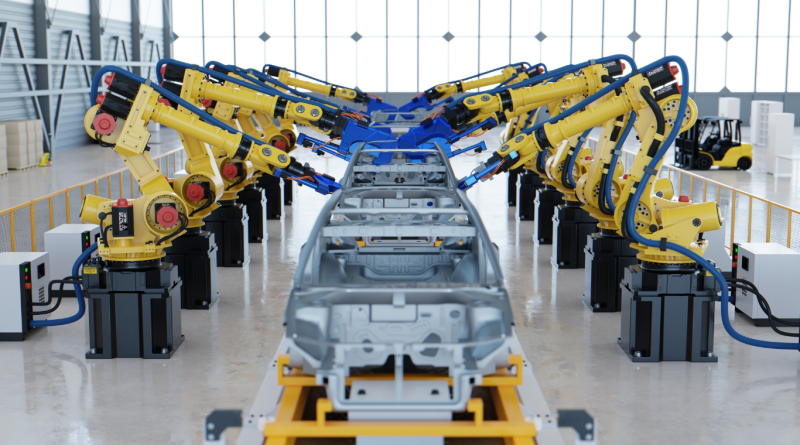
AI is also revolutionizing the factory floor. From predictive maintenance of robotics to real-time analytics on supply chain delays, AI is woven into future manufacturing protocols. These automotive manufacturers plans are as much about back-end transformation as they are about consumer-facing innovation.
Supply Chain Reinforcement
The pandemic revealed the fragility of global supply chains, prompting a rethinking of logistics. Chip shortages, port backlogs, and geopolitical tension have forced automakers to diversify their supplier base and regionalize their production. Ford and Stellantis are building domestic battery plants in the U.S., reducing reliance on overseas production.
Future-proofing operations now means bringing critical production steps closer to home. These automotive manufacturers plans involve reshoring elements of the supply chain, investing in more agile logistics systems, and building strategic reserves of vital components. Redundancy, once viewed as waste, is being reconsidered as an essential safeguard.
Software-Defined Vehicles
A defining characteristic of future vehicles is that they will be software-first, hardware-second. Automakers like Mercedes-Benz and Audi are investing in proprietary operating systems. OTA (Over-The-Air) updates are becoming standard, allowing vehicles to evolve post-purchase. This software-centric model is fundamentally shifting how automotive manufacturers plans are structured, turning them into tech companies that happen to build cars.
Subscription models are also gaining traction. From heated seats to driver-assist features, automakers are planning to offer premium functionalities via monthly payments, long after the initial sale. This transforms vehicles into long-term revenue streams and places a renewed focus on cybersecurity and cloud infrastructure.
Global Expansion with Local Sensitivities
Expansion into emerging markets remains a critical pillar of long-term planning. India, Southeast Asia, and Latin America present enormous growth potential. However, automakers are no longer applying one-size-fits-all strategies. Automotive manufacturers plans now include local partnerships, market-specific models, and modular platforms that can be adapted for regional conditions and preferences.
For instance, Nissan’s Magnite compact SUV was designed with Indian consumers in mind, offering affordability without sacrificing modern design. Meanwhile, Chinese EV makers like BYD are becoming serious global contenders, challenging legacy players to accelerate their international strategies.
Sustainability Beyond EVs
Sustainability extends beyond just electric cars. Top automotive manufacturers plans now involve carbon-neutral factories, closed-loop material recycling, and ethical sourcing protocols. BMW’s “iFactory” strategy, for example, encompasses low-emission production sites and aims for climate neutrality across its operations by 2030.
Hydrogen fuel cell technology is also being explored by companies like Toyota and Hyundai, offering alternatives for heavy-duty transport where battery tech might fall short. These diversified approaches reflect a broader recognition: sustainability must be embedded across every node of the business—not just the product.
The roadmap ahead for automakers is anything but linear. The confluence of electrification, digitalization, and sustainability is reshaping how companies operate and compete. Forward-thinking automotive manufacturers plans are grounded in strategic diversification, radical innovation, and global-local balance. While each company’s blueprint may vary, the trajectory is clear—adapt or be outpaced.
Tomorrow’s vehicles will not only be cleaner and smarter but also crafted by organizations that reinvent themselves continuously. For consumers and investors alike, the evolution of these industrial giants is one of the most telling stories of our modern age.